

A Lifelong Journey of Resilience: Mir Solat Khan’s Story of Overcoming Adversity
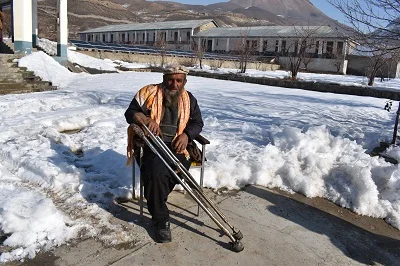
My name is Mir Solat Khan. I am 71 years old and live in Goshen village in the Mastuj area of Upper Chitral. I am married and have four children: one son and three daughters. Two of my daughters are married, while my son has a disability and requires special care. Life has never been easy for my family, but a tragic accident changed the course of my life forever.
Upper Chitral is one of the harshest regions in Pakistan, where heavy snowfall isolates villages for nearly four months every winter. Before the snow season begins, every family must collect and store enough firewood to endure the bitter winter cold, as firewood is the only source of heating and cooking during those long months.
Forty-six years ago, when I was 25 years old, I went into the mountains to collect firewood. Like other young men at the time, I never imagined that this routine task would turn into the most tragic day of my life.
While climbing the rocky slopes, I suddenly lost my balance and fell from a high cliff, completely shattering my leg. I was alone in the mountains, surrounded by the silence of nature, with no one to hear my cries for help. Despite the unbearable pain, I continued crawling across the rough terrain for hours, determined to survive. Every movement caused excruciating pain, but I refused to give up.
Eventually, I reached a few houses on the outskirts of the village and gathered what little strength I had left to call for help. The villagers rushed to rescue me and took me to the nearest hospital.
The doctors did everything they could to save my leg, but the injury was extremely severe. After putting me under anesthesia, they made the difficult decision to amputate my leg in order to save my life. When I regained consciousness, I instinctively tried to move my leg… but it was no longer there.
At that moment, I felt as though my life had collapsed.
Accepting the reality that I would never be able to walk again was extremely difficult. The emotional pain was far more severe than the physical pain. I remained in a state of shock for a long time, wondering how I would provide for my family and how I could continue my life with a disability that had changed everything.
The years that followed were filled with hardship and suffering. Losing my leg meant losing my ability to earn a stable income, and caring for my family became even more difficult, especially as my son also requires special care. Without the generosity of my relatives, neighbors, and fellow villagers, I do not know how my family would have managed to carry on. Their compassion and support helped us through the darkest days of our lives.
Today, as I grow older, the challenges have become even greater. The cold weather intensifies my suffering, and every winter becomes a new battle for survival. I can no longer afford warm winter clothing, blankets, or other basic necessities to protect us from the bitter cold.
Receiving winter assistance from the King Salman Humanitarian Aid and Relief Centre (KSrelief) has brought tremendous relief to my family. The winter kit, warm clothing, and polyester quilts will help us endure the severe winter cold throughout the long snowfall season. More importantly, this support has restored my sense that there are still people who care about vulnerable families living in remote mountainous areas, even after decades of hardship.
I extend my sincere thanks and deepest gratitude to the King Salman Humanitarian Aid and Relief Centre (KSrelief) for extending a helping hand to the most vulnerable people in remote mountain communities. The Centre’s support has brought warmth, comfort, and hope to my family at a time when we needed them most.